
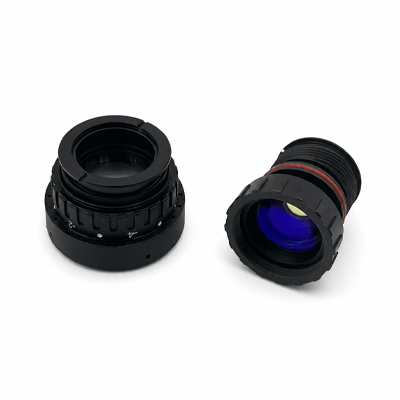
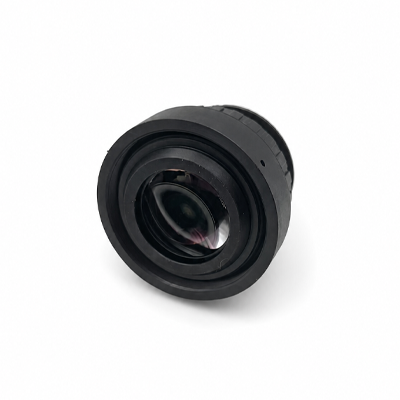
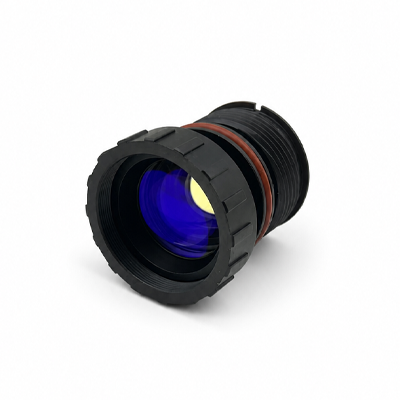
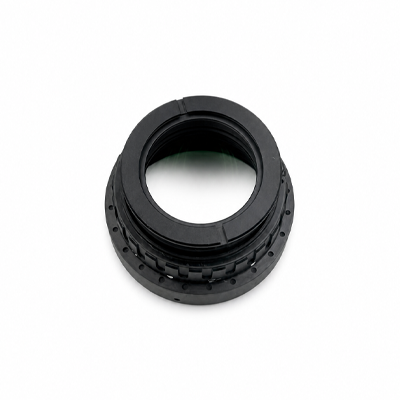
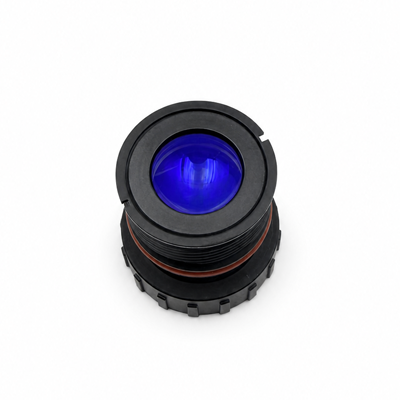
Lens & Setup Views
Explore the lens assembly and setup details in the images below.
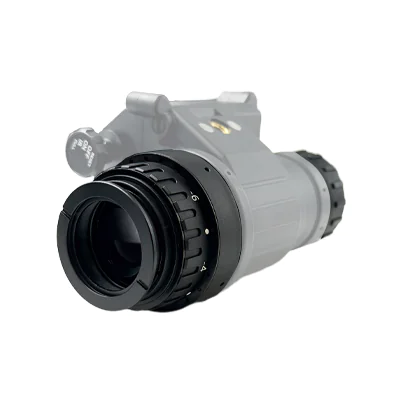

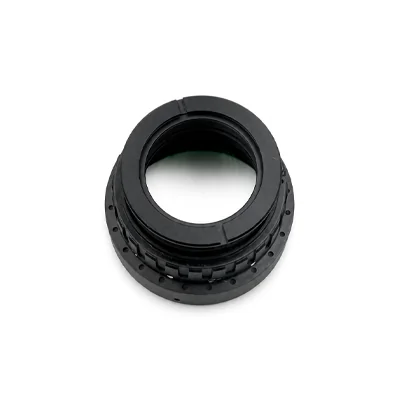

U.S. Mil-Spec PVS-14 Lens Assembly
NIGHT VISION LENS IMAGING
Lens Imaging Comparison
Explore imaging references across lens brands and models, followed by views of distortion, illumination, and resolution across the field.
Comparison Across Brands & Models
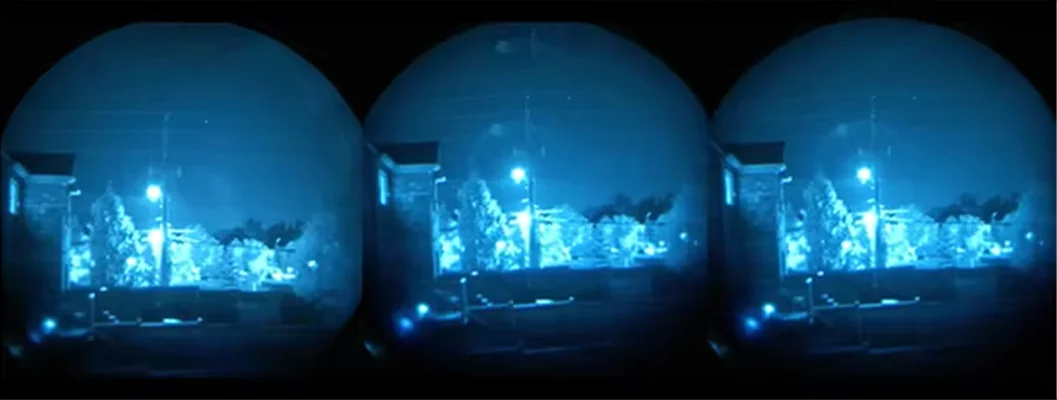
01 Outdoor Scene Comparison
Observe scene detail, contrast, and the appearance of illuminated objects across the three lens views.
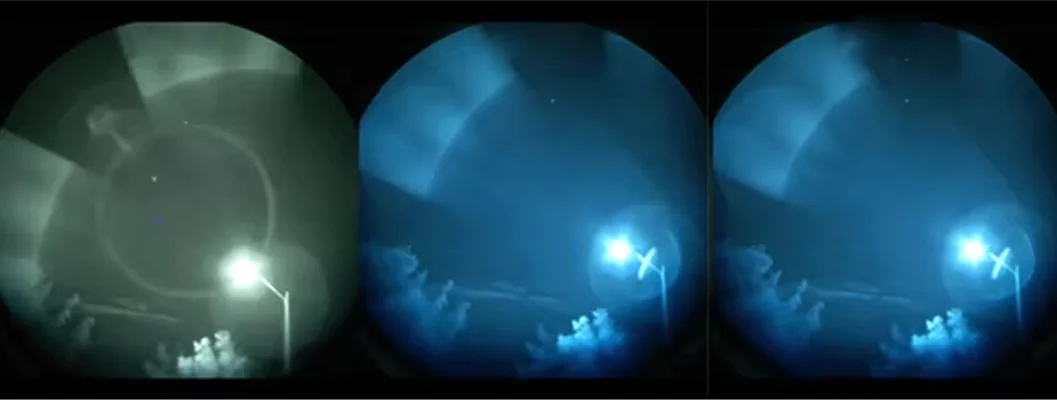
02 Bright-Light Comparison
Examine flare patterns, reflections, and surrounding detail when a bright light source appears within the field of view.
Optical Test Views
Five reference views highlight different aspects of the image, from grid geometry to fine detail at the center and edge.
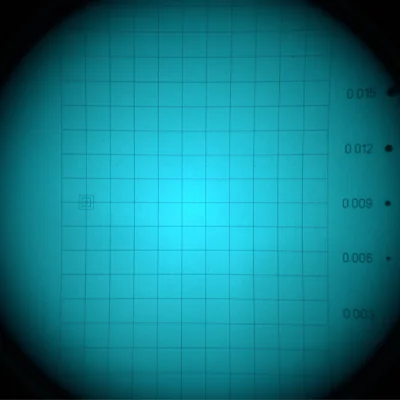
01 Distortion & Vignetting
A grid target provides a reference for line curvature and spacing, while the full image shows brightness falloff toward the edges.
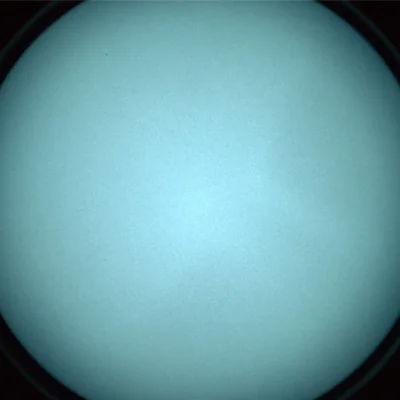
02 Blank Background
A plain background makes variations in brightness and shading easier to observe across the image field.

03 Zone Reticle
Concentric reference circles help locate central, intermediate, and peripheral regions when examining brightness across the field.
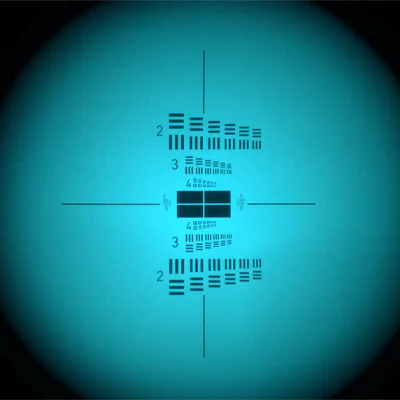
04 Center Resolution Test
A resolution target at the center provides a visual reference for fine-line separation and central image detail.
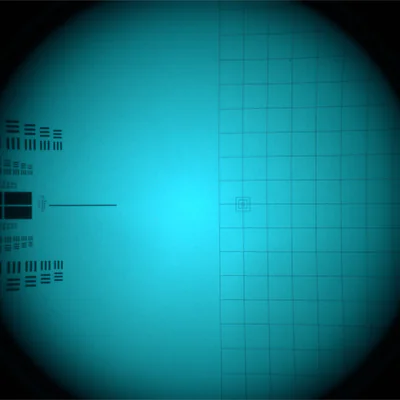
05 Edge Resolution Test
A target near the edge provides a reference for off-axis detail and changes in sharpness away from the image center.
Images are provided for visual reference. Appearance depends on the complete optical system, image intensifier, lighting, focus, and camera settings. These images alone do not establish quantitative lens performance or identical test conditions.
EXPLORE MORE
Explore More Night Vision & Thermal Products

Monocular Night Vision
PVS-14
Explore image-intensified night vision in a monocular format.
View Product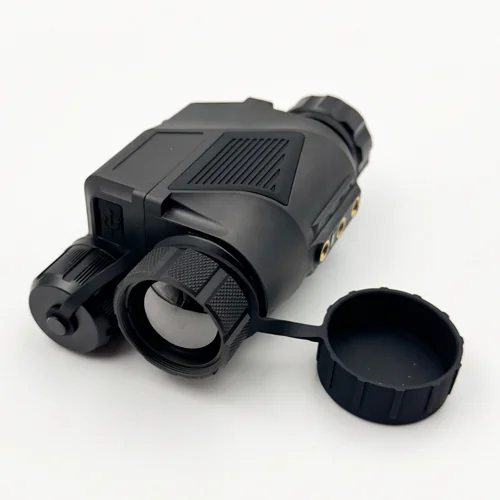
Multi-functional Thermal Monocular
ELF-MU
Discover thermal imaging with handheld and head-mounted viewing options.
View Product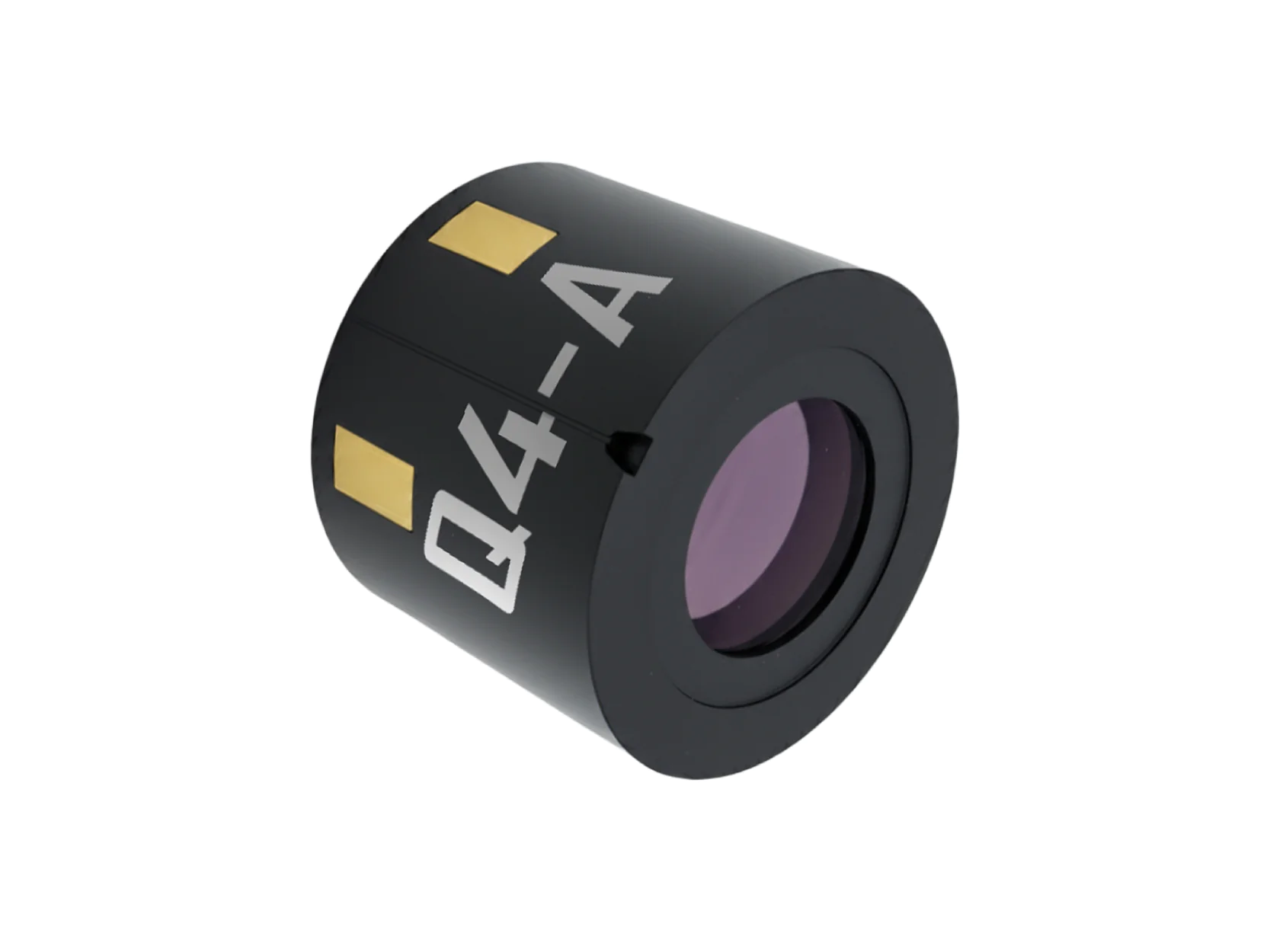
Image Intensifier Tube
GEN2+ IIT
Explore GEN2+ tube configurations and specifications for night vision systems.
View Product